.png)


The Pain of Anxiety (And Why You Don't Need to Fight It)
Updated: Sep 2
Anxiety, much like an unwelcome guest, arrives uninvited. Sometimes it lingers quietly in the background. Sometimes it takes centre stage and won't let you think about anything else. No wonder you want to usher it out the door and avoid anywhere you might bump into it again.
If you live with anxiety, you know it. The racing heart. The shallow breath. The mind running through everything that could go wrong, and then a few things that couldn't. Most of my clients arrive in therapy with one goal: get rid of it.
But there is another way.
What if, instead of fighting it, you learned to make friends with it?
Anxiety is your body's response to threat. It's fight, flight or freeze, and it's there to keep you alive. If a car is speeding towards you, anxiety is what gets you out of the way before you've even thought about it. That rush, that jolt of adrenaline, that's not the enemy. That's your body doing exactly what it's meant to do.
The trouble is, your brain can't always tell the difference between a real threat and an imagined one. A car speeding towards you and the thought of something terrible happening to someone you love can trigger the very same response. Your mind, wonderfully creative as it is, can conjure up all kinds of catastrophic scenarios, and your body reacts as if every one of them is real.
This is where the cycle starts. Worry. Avoidance. The fear of the fear itself.
Think about public speaking. Heart racing, hands clammy, voice shaking, breath shallow, it's no wonder you start to panic. But here's the thing: it's rarely the symptoms themselves that ruin your performance. It's what you believe about them. I won't get my words out. I'll freeze. Everyone will notice. Those beliefs are what turn a racing heart into a crisis.
Because if you strip it back, the symptoms of anxiety and the symptoms of excitement are almost identical. Racing heart. Alertness. Hyperfocus. The only real difference is the story you're telling yourself about what those symptoms mean.
So what if you told yourself a different story? What if that same jolt of adrenaline wasn't the enemy, but your body getting you ready? Relabel it. This is excitement. This is my body preparing me. And notice what happens.
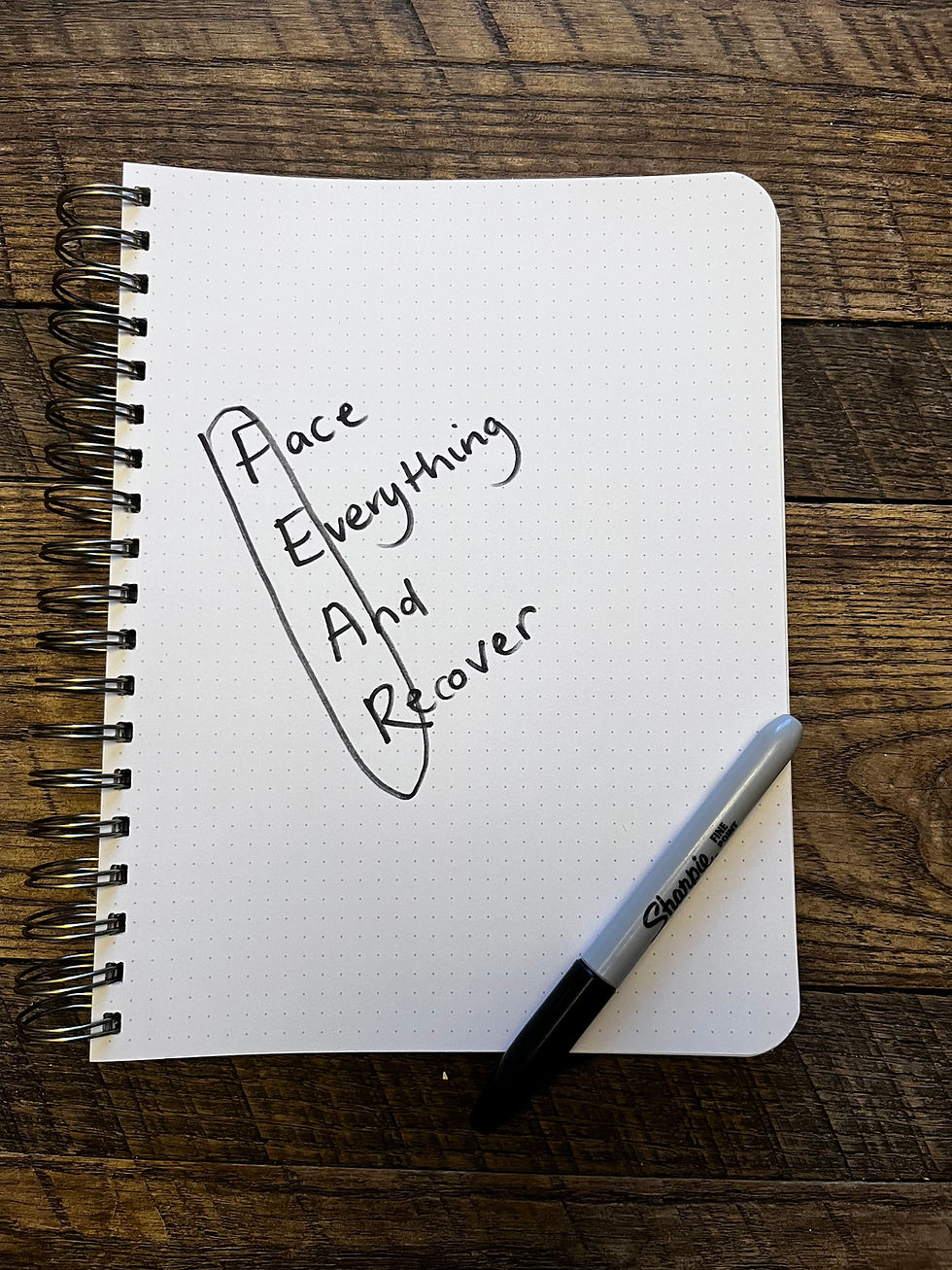
Anxiety is also, quietly, part of how you grow. It's only by facing the situations that scare you that you learn you can cope, that the fear passes, and that you're stronger than you thought. Each time you do, your mind updates, just a little, and next time it isn't quite as loud.
To embrace anxiety isn't to surrender to it. It's to accept that it's part of being human. It shows up whenever you're stepping outside your comfort zone, and that's not a warning sign, that's a sign of courage.
When you lean into the discomfort rather than run from it, you build something more valuable than the absence of fear. You build the confidence that you can hold uncertainty and survive it. Because most of what anxiety warns you about never happens, and when you finally face it, you learn, over and over, that you can cope.
You don't need to get rid of anxiety. You need to stop being at war with it. When you learn to work with it instead of against it, you'll find it passes far more quickly than when you were fighting it every step of the way. And in return, you get to live a richer life, one with more spontaneity, more risk, more possibility, instead of staying small and safe just to keep it quiet.
Comments